
How to build an internal AI knowledge base
Build an internal AI knowledge base from governed company documents, with a practical blueprint for ownership, retrieval, permissions, testing and upkeep.
Read articleBrowse by category
Practical guides to designing AI knowledge bases and RAG systems across context, source preparation, retrieval, permissions, security and evaluation.
In this category
Every published resource filed under AI knowledge systems. The foundational guide appears first where one applies.
10 articles
Build an internal AI knowledge base from governed company documents, with a practical blueprint for ownership, retrieval, permissions, testing and upkeep.
Read article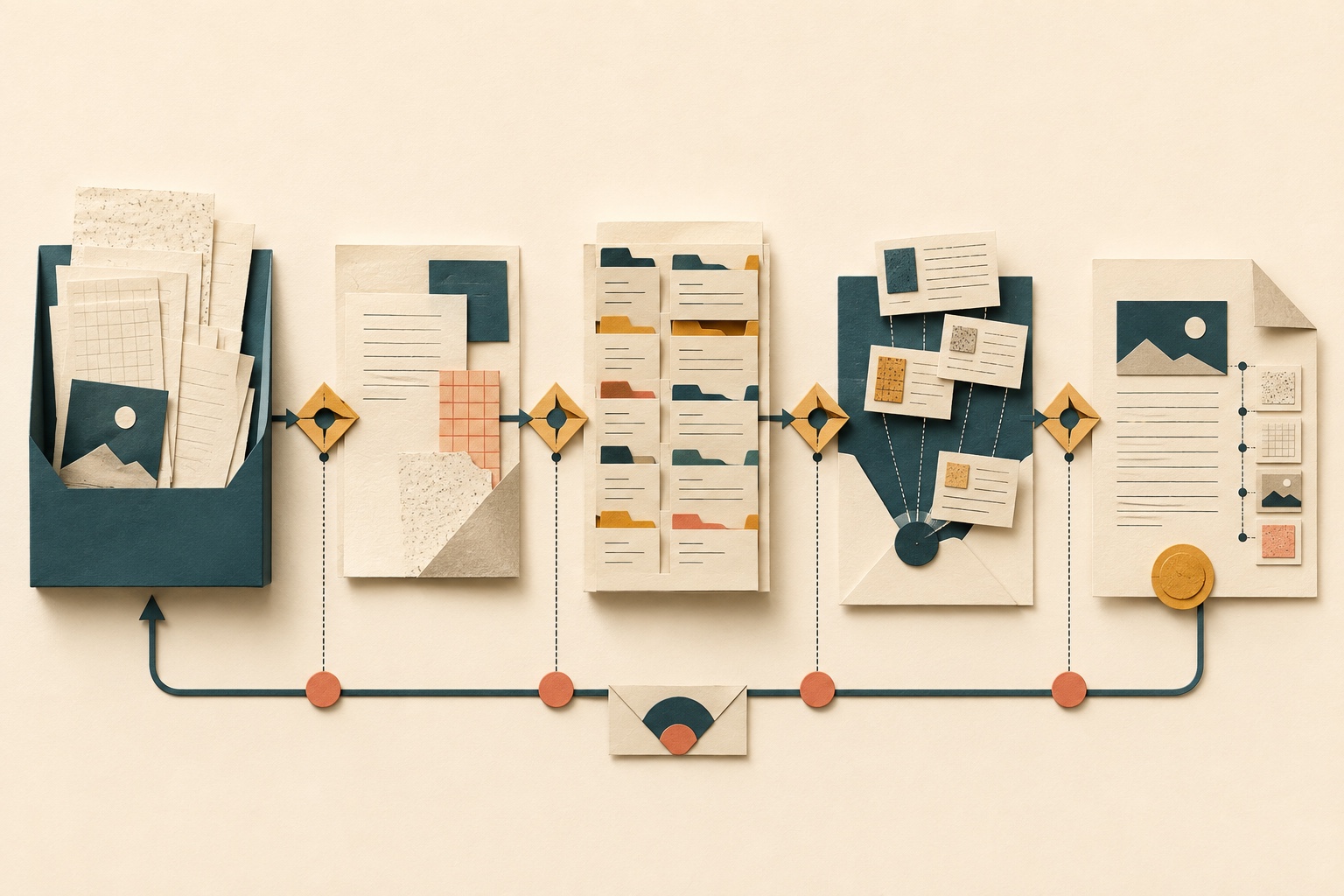
Understand RAG pipeline architecture from source preparation and indexing through retrieval, generation, evaluation, refresh and control points.
Read article
Learn how to engineer context for AI agents across instructions, tools, retrieved knowledge, memory, history, limits and evaluation.
Read article
Learn what an AI agent harness is, how its runtime components fit together, and where permissions, observability, context and safety controls belong.
Read article
Prepare documents for RAG with a practical checklist for selection, permissions, parsing, metadata, versioning, chunking, testing and ingestion.
Read article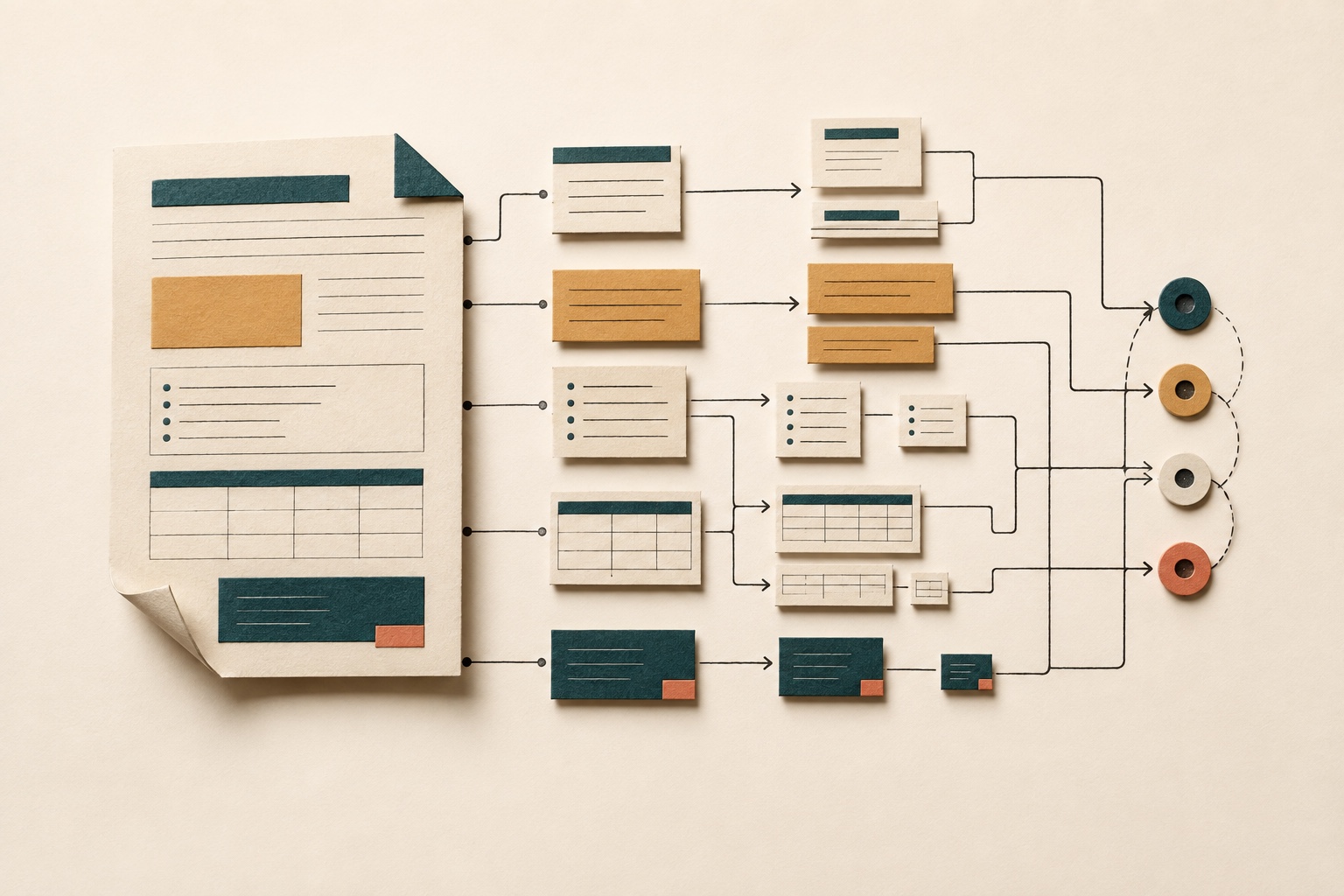
Choose and test RAG chunking strategies using document structure, metadata, retrieval quality and task-specific evaluation instead of fixed defaults.
Read article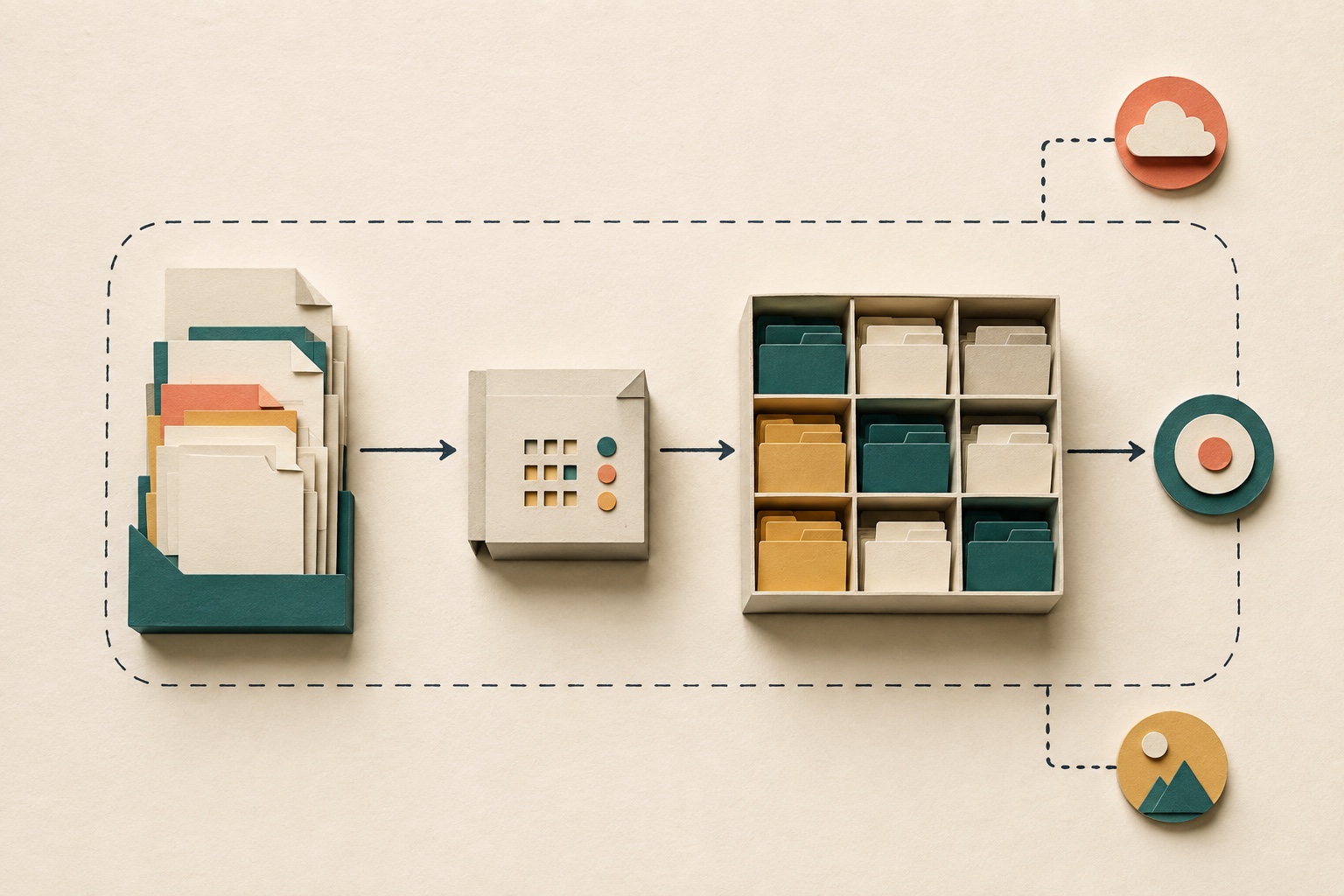
Build a local RAG system and compare local, self-hosted, on-premises and cloud choices without treating deployment location as a security guarantee.
Read article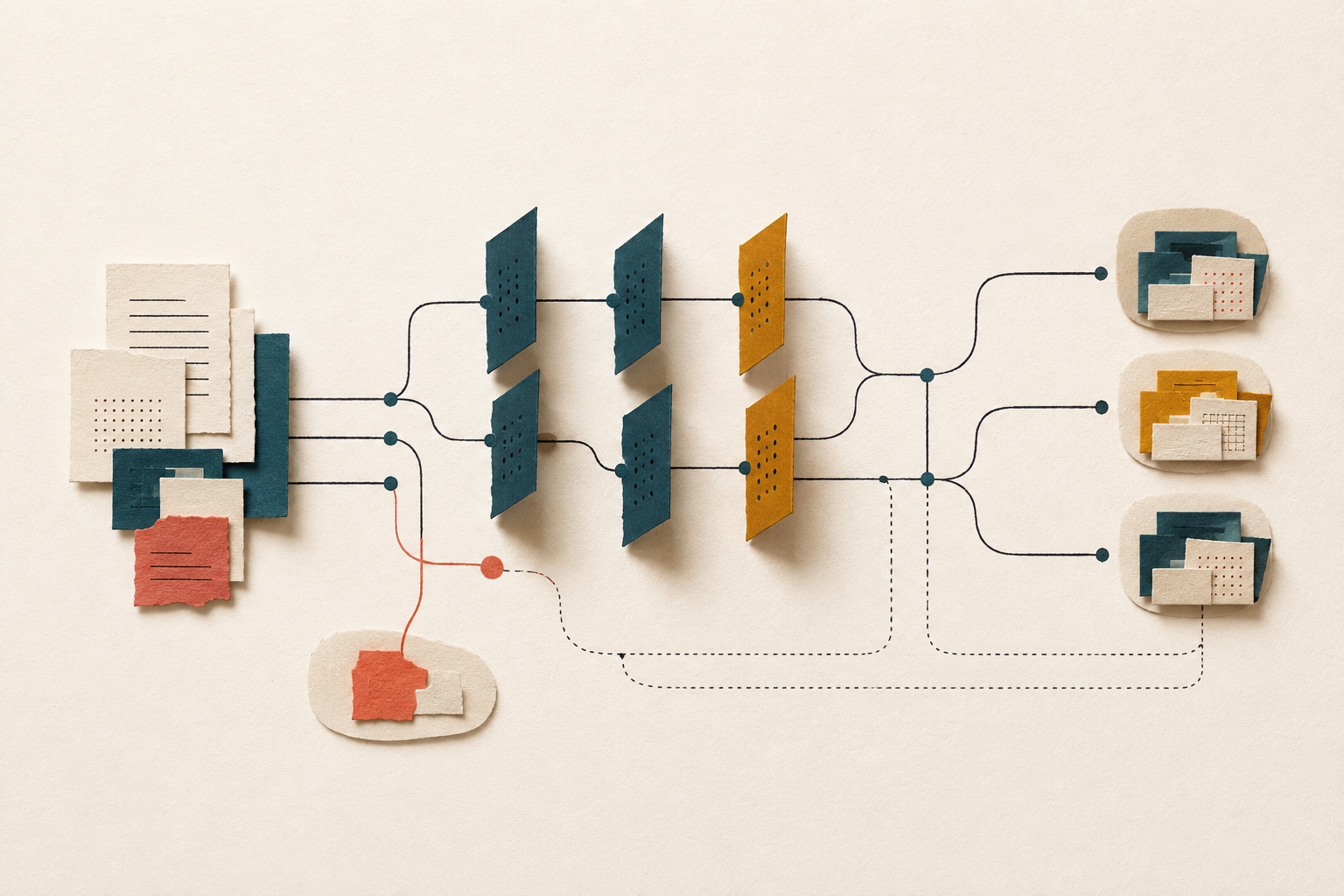
Design RAG access control that preserves source permissions through indexing, retrieval and generation, with practical patterns and failure checks.
Read article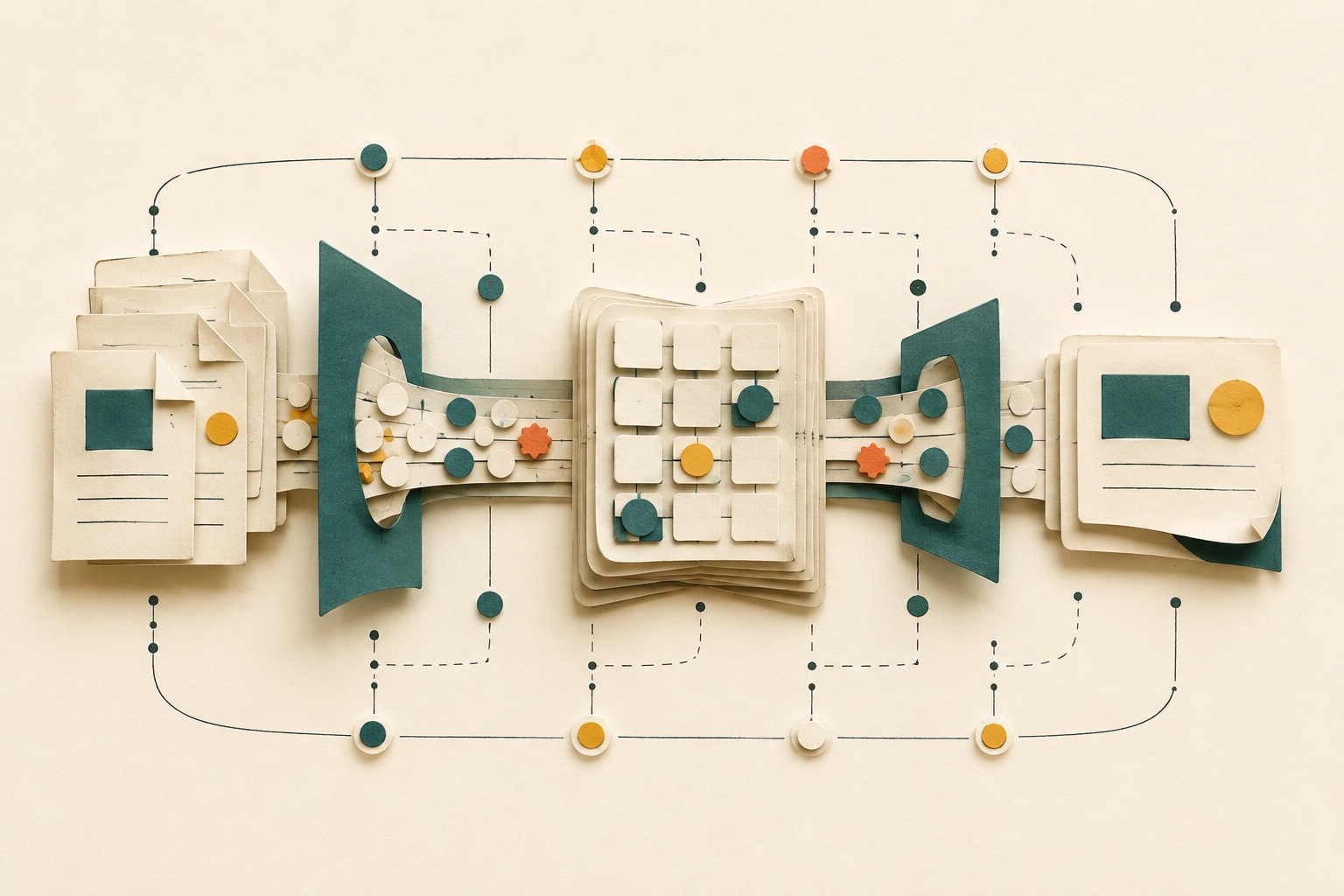
Threat-model a RAG system across documents, indexing, retrieval and generation, then apply layered controls for permissions, provenance and testing.
Read article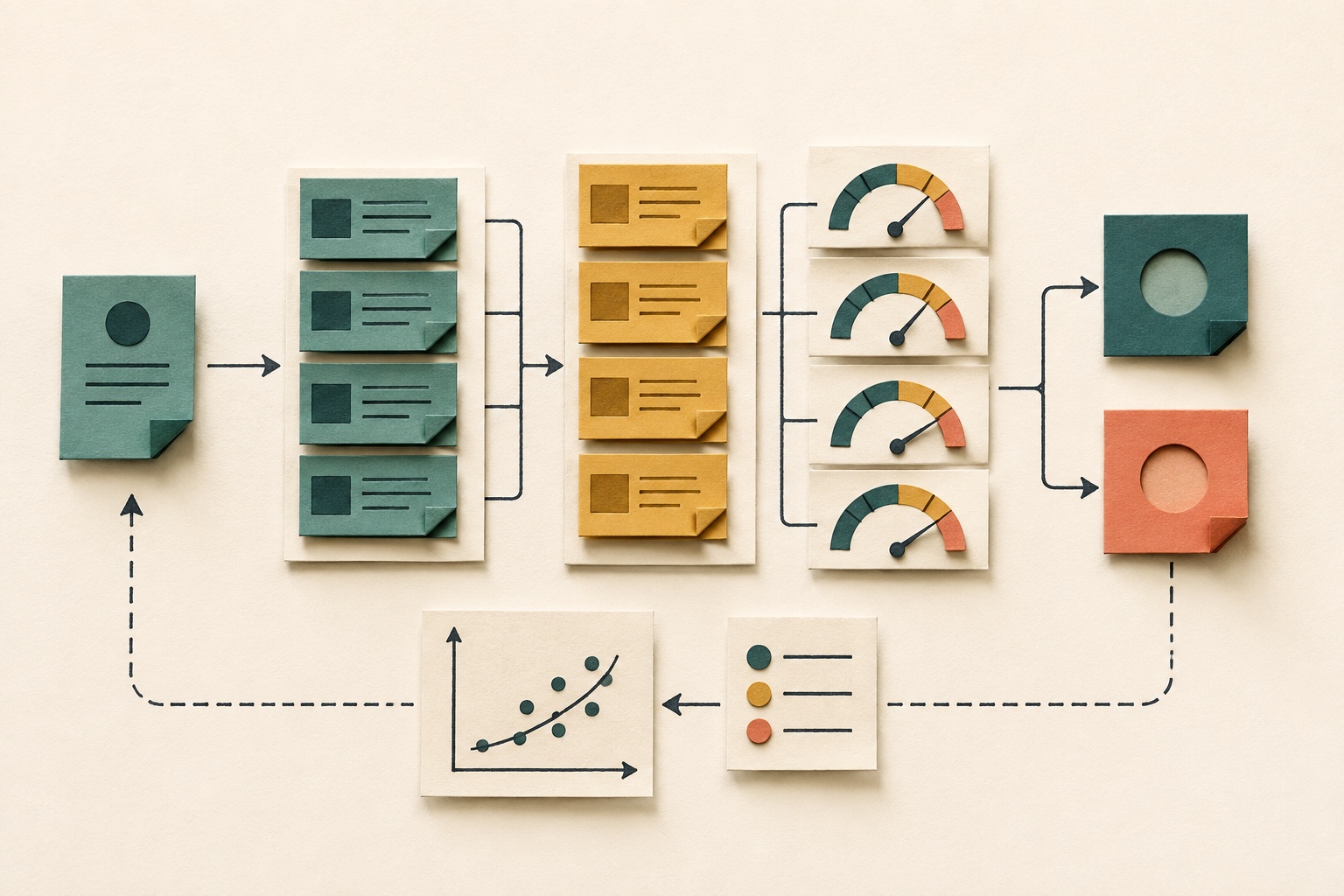
Evaluate a RAG system with test sets, retrieval and answer metrics, security tests, release gates and regression monitoring tied to real user tasks.
Read article